

 Posts
Posts


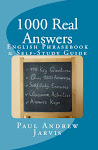
The following are examples of the type of question I expect my pre-intermediate students to be able to answer in the end-of-course oral examination:
A typical day
What time do you wake up?
What time do you get up?
When do you have your shower?
What do you have for breakfast?
What time do you leave the house?
How do you get to work?
What time do you start lessons?
How many hours of lessons do you usually have?
Where do you have lunch?
Which lessons do you enjoy most?
Which lessons do you enjoy least?
What time do you usually get home?
How long do you study for each evening?
Do you eat a big dinner?
Do you read before you go to sleep?
Habitual activities
How often do you lie in?
How often do you go to church?
How often do you tell lies?
How often do you read a serious newspaper?
How often do you buy books or CDs?
Your life at the moment
What are you reading at the moment?
How often are you going to the cinema?
What are you working on at the moment?
Where are you having dinner this evening?
What time are you going home today?
Who are you spending the weekend with?
What are you doing this summer?
What are you doing this evening?
Why are you studying English?
Various questions about the present
Who do you most admire?
What’s your town like?
What team do you support?
How do you spend your spare time?
How much are you spending on leisure activities at the moment?
How often do you go out?
When are you happiest?
How many books do you read in a month?
Your last holiday
Where did you go last summer?
How did you get there?
How long did it take to get there?
Who did you go with?
How long did you stay there?
Which places did you go to?
How did you spend your time?
What did you eat and drink?
What did you like most?
What did you like least?
What was the weather like?
What did you bring back from your holiday?
How much did you spend in all?
Comparing
What is easier: speaking English or listening to English? Why?
What makes you happier: love or money? Why?
Which is more relaxing: travelling by train or travelling by car? Why?
Which is better: English music or Italian music? Why?
What are you going to have for dinner this evening?
Future intentions
What time are you going to go to bed?
How are you going to spend the weekend?
Who are you going to spend the weekend with?
Where are you going to go for your next holiday?
How long are you going to go for?
What are you going to do when you finish university?
Are you going to carry on studying English when this course finishes?
Are you ever going to get married?
Obligations and requirements
What time do you usually have to get up?
What time do you have to be at work?
What do you usually have to do in the course of a day’s work?
Do you have to dress in a particular way for work?
How many exams do you have to do in order to graduate?
To become a teacher what do you have to do?
Giving advice to a visitor to your town
What should I do to find accommodation?
How much should I expect to pay for a room or a flat?
Where should I go in the evening if I want to meet people?
How long should I wait if someone is late for an appointment?
Where should I go for lunch round here?
Which local specialities should I try?
Is there anything in particular I should know about the people here?
What should I say to a girl/guy I am interested in?
Showing posts with label laboratorio linguistico. Show all posts
Showing posts with label laboratorio linguistico. Show all posts
Friday, 1 May 2009


Thursday, 11 December 2008
Can you really speak English? - 50 Questions for Intermediate Students
Below is a list of the kind of questions I expect my Intermediate students to be able to answer.
Note that:
- each question is to be considered a possible starting point for a conversation: feel free to elaborate;
- one-word answers (Yes / No / Hmmm / Er / etc.) are not acceptable;
- if you don’t understand a word or a question, ask me (IN ENGLISH) to explain, to speak more slowly or to repeat (the language you need for this can be found near the beginning of the “dispensa”);
- you will be assessed primarily on your ability to understand and communicate. Don’t panic if you make a mistake or if you don’t remember a specific word (if necessary, you can ask me in English how to translate a particular term from Italian);
- the list is not exhaustive.
1) What’s your recipe for happiness?
2) Is monogamy a good thing?
3) What do you hate most?
4) How much of your household waste do you recycle ?
5) Who or what makes you go weak at the knees?
6) Have you got any skeletons in your cupboard that you’re prepared to talk about?
7) What are you hoping for when you open your post in the mornings?
8) When were you last moved to tears?
9) When did you last put your foot in it?
10) Have you paid your television licence fee?
11) What’s the best joke you have heard recently?
12) What can you be sure you will never forget?
13) How is life in Apulia going to be different in twenty years time?
14) Are there any circumstances in which you might kill another human being?
15) If you could live one day over again, which day would it be?
16) Which actor would you want to play you in the film of your life?
17) What advice would you have given to your fifteen-year-old self?
18) Have you ever eaten foreign food?
19) Have you ever read a book that changed your life in some way?
20) Have you ever seen a film in English?
21) Have you ever had a supernatural experience?
22) Have you ever been to a political demonstration?
23) Have you ever been so drunk that you don’t remember what you did or said?
24) Have you ever met anyone famous?
25) Have you ever wanted to hit another person?
26) Have you ever made a speech?
27) Have you ever cried with joy?
28) Have you ever been abroad?
29) Have you ever laughed so much that it hurt?
30) What are you doing after the lesson?
31) What’s the first thing you will do when you get home this evening?
32) Where are you going to spend next weekend?
33) How will you feel if the Italy win the next European Championships?
34) What are the things you will never forget?
35) What are the things you won’t do for anybody?
36) Who are the people you will always do anything for?
37) How do you think the world will be different in twenty years time?
38) How long will it be before we discover life on other planets?
39) How soon is global warming going to become a problem that affects you?
40) Did you get any post this morning?
41) What did you get for your last birthday?
42) How did you get here today?
43) How are you getting home today?
44) Where did you get your shoes/jacket/bag?
45) How much did you get for your first job?
46) When did you last get really angry?
47) Did you get to do anything particularly exciting on your last holiday?
48) Is there a scene in a film which really gets you?
49) Is there anything about the university that really gets you?
50) Can you recite any lines from an English poem?
Note that:
- each question is to be considered a possible starting point for a conversation: feel free to elaborate;
- one-word answers (Yes / No / Hmmm / Er / etc.) are not acceptable;
- if you don’t understand a word or a question, ask me (IN ENGLISH) to explain, to speak more slowly or to repeat (the language you need for this can be found near the beginning of the “dispensa”);
- you will be assessed primarily on your ability to understand and communicate. Don’t panic if you make a mistake or if you don’t remember a specific word (if necessary, you can ask me in English how to translate a particular term from Italian);
- the list is not exhaustive.
1) What’s your recipe for happiness?
2) Is monogamy a good thing?
3) What do you hate most?
4) How much of your household waste do you recycle ?
5) Who or what makes you go weak at the knees?
6) Have you got any skeletons in your cupboard that you’re prepared to talk about?
7) What are you hoping for when you open your post in the mornings?
8) When were you last moved to tears?
9) When did you last put your foot in it?
10) Have you paid your television licence fee?
11) What’s the best joke you have heard recently?
12) What can you be sure you will never forget?
13) How is life in Apulia going to be different in twenty years time?
14) Are there any circumstances in which you might kill another human being?
15) If you could live one day over again, which day would it be?
16) Which actor would you want to play you in the film of your life?
17) What advice would you have given to your fifteen-year-old self?
18) Have you ever eaten foreign food?
19) Have you ever read a book that changed your life in some way?
20) Have you ever seen a film in English?
21) Have you ever had a supernatural experience?
22) Have you ever been to a political demonstration?
23) Have you ever been so drunk that you don’t remember what you did or said?
24) Have you ever met anyone famous?
25) Have you ever wanted to hit another person?
26) Have you ever made a speech?
27) Have you ever cried with joy?
28) Have you ever been abroad?
29) Have you ever laughed so much that it hurt?
30) What are you doing after the lesson?
31) What’s the first thing you will do when you get home this evening?
32) Where are you going to spend next weekend?
33) How will you feel if the Italy win the next European Championships?
34) What are the things you will never forget?
35) What are the things you won’t do for anybody?
36) Who are the people you will always do anything for?
37) How do you think the world will be different in twenty years time?
38) How long will it be before we discover life on other planets?
39) How soon is global warming going to become a problem that affects you?
40) Did you get any post this morning?
41) What did you get for your last birthday?
42) How did you get here today?
43) How are you getting home today?
44) Where did you get your shoes/jacket/bag?
45) How much did you get for your first job?
46) When did you last get really angry?
47) Did you get to do anything particularly exciting on your last holiday?
48) Is there a scene in a film which really gets you?
49) Is there anything about the university that really gets you?
50) Can you recite any lines from an English poem?
Wednesday, 12 November 2008
Crocodile Dundee From Cerignola
Sono ancora in uno stato di shock. Ieri ho trovato sotto la porta del laboratorio linguistico una lettera anonima, scritta in sangue di cozzalo. Riproduco qui sotto il testo, agghiacciante non solo dal punto di vista grammaticale:
ATTENTION, TEACHER! TOMORROW THE YOUR BIG ENEMY WILL TO COME IN THE YOUR LESSON. IS VERY DANGER FOR YOU.
Di solito, inoltro tutte le lettere anonime che ricevo ad una mia amica psicologa genovese*, ma il biglietto d’ieri mi aveva colpito in maniera particolare e non solo per la presenza di punteggiatura. E’ più che plausibile, in effetti, che qualche nemico possa cercare di sabotare una mia lezione. Uno non può lavorare per anni come esportatore di alta cultura inglese senza alienarsi nessuno. Già quando si cerca di trapiantare una locuzione anglosassone in un contesto italiano, si corre un grosso rischio, come quella volta in cui per spiegare “in the middle of nowhere” citai Cerignola, e una studentessa con la faccia da angioletto, invitandomi a cambiare esempio, tirò fuori un coltello più grande di quello di Crocodile Dundee. Poi c’è stato il ragazzo a cui sono stato costretto a dare un cenno – nu tuzz’, per usare il termine scientifico – affinché lui capisse chiaramente che non poteva presentarsi a lezione con la maglia del liverpool. In più, ci sono i simpatizzanti della scozia (alcuni pretendono addirittura che il nome della terra desolata al nord dell’Inghilterra sia scritto con la maiuscola!!!), tre soci del partito BIG (berlusconi è in gamba) e un marito geloso che non voleva che la moglie facesse Full Immersion con me.
Insomma, di persone con motivo per farmi male, ce ne sono, ed è chiaro che occorrono misure di sicurezza. Da domani, pertanto, saranno ammesse alle mie lezioni solo e esclusivamente le persone che sappiano rispondere correttamente alle seguenti domande:
1) Are you now or have you ever been a supporter of liverpool football club?
2) Do you live in Cerignola?
3) Quale delle seguenti frasi descrive meglio la specie scozzese:
a) persona allegra e simpatica che indossa una gonna caratteristica e suona la cornamusa mentre vende lo “shortbread”;
b) barbaro mugugnante senza mutande e pieno di rancori nei confronti dei suoi vicini colti
4) Per placare l’ira degli dei, in che ordine sacrificheresti i seguenti servitori della patria: Renato Schifani, Cesare Previti, Giulio Tremonti, Umberto Bossi, Mariastella Gelmini, Bruno Vespa, silvio berlusconi?
5) Sei soggetto ad attacchi di gelosia?
Per fare l’iscrizione online, cliccare sulla voce “comments” qui sotto e inserire le risposte.
* ero sempre stato convinto che le servivano per uno studio universitario ma di recente, in occasione di un’emergenza intestinale durante una visita a casa sua, ho scoperto che le ricicla come carta igienica, iniziativa ecologica che esiterei a consigliare a persone a cui voglio bene.
ATTENTION, TEACHER! TOMORROW THE YOUR BIG ENEMY WILL TO COME IN THE YOUR LESSON. IS VERY DANGER FOR YOU.
Di solito, inoltro tutte le lettere anonime che ricevo ad una mia amica psicologa genovese*, ma il biglietto d’ieri mi aveva colpito in maniera particolare e non solo per la presenza di punteggiatura. E’ più che plausibile, in effetti, che qualche nemico possa cercare di sabotare una mia lezione. Uno non può lavorare per anni come esportatore di alta cultura inglese senza alienarsi nessuno. Già quando si cerca di trapiantare una locuzione anglosassone in un contesto italiano, si corre un grosso rischio, come quella volta in cui per spiegare “in the middle of nowhere” citai Cerignola, e una studentessa con la faccia da angioletto, invitandomi a cambiare esempio, tirò fuori un coltello più grande di quello di Crocodile Dundee. Poi c’è stato il ragazzo a cui sono stato costretto a dare un cenno – nu tuzz’, per usare il termine scientifico – affinché lui capisse chiaramente che non poteva presentarsi a lezione con la maglia del liverpool. In più, ci sono i simpatizzanti della scozia (alcuni pretendono addirittura che il nome della terra desolata al nord dell’Inghilterra sia scritto con la maiuscola!!!), tre soci del partito BIG (berlusconi è in gamba) e un marito geloso che non voleva che la moglie facesse Full Immersion con me.
Insomma, di persone con motivo per farmi male, ce ne sono, ed è chiaro che occorrono misure di sicurezza. Da domani, pertanto, saranno ammesse alle mie lezioni solo e esclusivamente le persone che sappiano rispondere correttamente alle seguenti domande:
1) Are you now or have you ever been a supporter of liverpool football club?
2) Do you live in Cerignola?
3) Quale delle seguenti frasi descrive meglio la specie scozzese:
a) persona allegra e simpatica che indossa una gonna caratteristica e suona la cornamusa mentre vende lo “shortbread”;
b) barbaro mugugnante senza mutande e pieno di rancori nei confronti dei suoi vicini colti
4) Per placare l’ira degli dei, in che ordine sacrificheresti i seguenti servitori della patria: Renato Schifani, Cesare Previti, Giulio Tremonti, Umberto Bossi, Mariastella Gelmini, Bruno Vespa, silvio berlusconi?
5) Sei soggetto ad attacchi di gelosia?
Per fare l’iscrizione online, cliccare sulla voce “comments” qui sotto e inserire le risposte.
* ero sempre stato convinto che le servivano per uno studio universitario ma di recente, in occasione di un’emergenza intestinale durante una visita a casa sua, ho scoperto che le ricicla come carta igienica, iniziativa ecologica che esiterei a consigliare a persone a cui voglio bene.
Subscribe to:
Posts (Atom)